
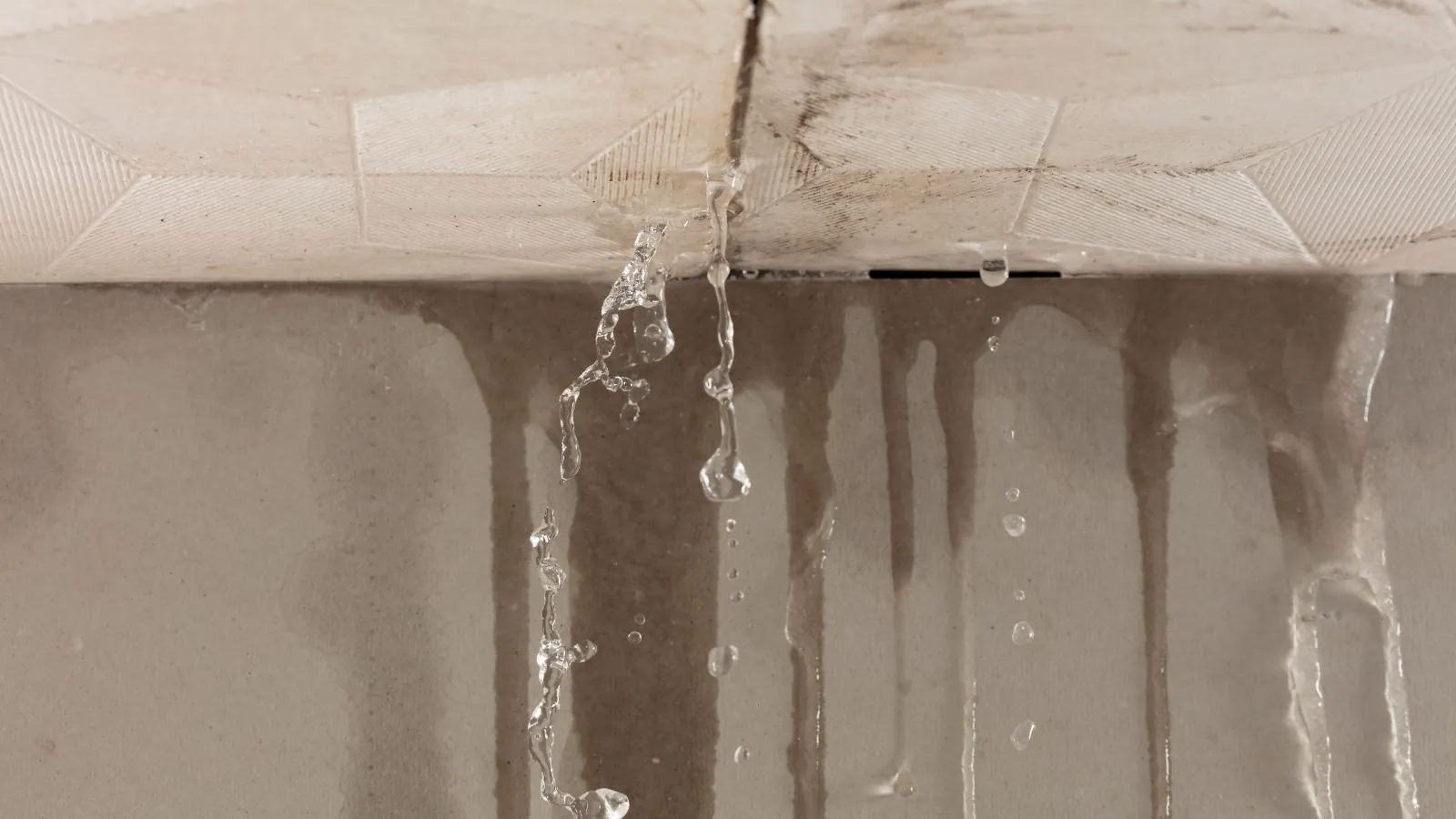
The cost of attic mold removal in Rockville Centre depends on how much mold there is, how hard it is to reach and what caused it. We do not publish a flat price because attics vary too much, and a quote without an inspection is a guess.
What we can offer is the list of factors that move the price, so you can compare bids on equal terms.
Why attics get mold
Warm, moist air from the living space rises into the attic and condenses on cold roof sheathing. A leaking roof, a bathroom fan that vents into the attic and poor ventilation add to the problem.
Roof sheathing, rafters and insulation provide food. Winter condensation is a common cause, so the growth can show up on the north side of the roof deck first.
The factors that set the price
| Factor | How it changes the cost |
|---|---|
| Area of growth | Jobs over 10 square feet need licensed assessors and remediators in New York. |
| Access | Low pitch and tight crawl areas slow the work. |
| Insulation | Contaminated insulation is removed and replaced. |
| Wood damage | Rotted sheathing needs a carpenter or roofer. |
| Source of moisture | Ventilation, roof or bath fan fixes are separate. |
| Testing | The assessor's plan and clearance are separate from remediation. |
Because the assessor and the remediator must be separate parties, you will see two charges. A bid that bundles both from one company is a warning sign.
Attic mold after a roof leak? Call about the water damage side. Call (516) 845-9582
How to compare bids
- Ask for each bid in writing with the scope and square footage.
- Check that the assessor and remediator hold New York licenses.
- Ask what is done about the moisture source.
- Ask whether insulation is replaced and what type.
- Ask what clearance testing is included.
Compare the same scope, not the same price. A cheap bid that skips the moisture fix can cost more later.
Does insurance pay
Many policies limit or exclude mold unless it came from a covered water event. Attic mold from long-term condensation or poor ventilation is often not covered.
Read the mold language in your policy and ask your agent. Our page on mold remediation explains the New York process, and a leak from the roof is covered under ceiling water damage repair on the interior side.
What an attic assessment looks at
An assessor starts with the roof deck, the rafters and the insulation. They look for dark staining, frost marks, rusted nail tips and damp insulation. A moisture meter and, sometimes, a thermal camera help find wet areas without tearing things apart.
They then look for the reason. Common causes include bath fans venting into the attic, blocked soffit vents, roof leaks at flashing and warm air escaping from the living space. If the cause stays, the mold returns.
The report should state the affected area in square feet, the materials involved and the recommended steps. That document is the basis for comparing bids.
Why two attic mold bids can differ so much
| Reason | Effect on price |
|---|---|
| Different square footage assumed | Larger area means more labor and materials. |
| Insulation removed or not | Replacing insulation adds a separate line. |
| Containment and air filtration | Controls dust and spores during work. |
| Access and headroom | Tight attics slow every task. |
| Cause repaired or not | Fixing vents or roof flashing is another trade. |
| Testing after work | A clearance check adds a step. |
Ask each bidder to list these items. A low number that leaves out containment or the cause repair is not a real saving. Also confirm who holds the New York licenses, since assessor and remediator must be separate for jobs over 10 square feet.
If the attic problem began with a roof or ceiling leak, ceiling water damage repair covers the rooms below.
Fixing the cause so the cost does not repeat
Removal without correction is the most expensive path, because the mold returns and the job is paid for twice. The best bid includes a line for the cause or names who will handle it.
Typical causes are simple. A bathroom fan that ends in the attic, a dryer vent that was never connected outside, soffit vents that insulation has blocked and a roof leak at a vent pipe or chimney flashing all produce damp attic air.
Correcting airflow and sealing air leaks from the rooms below lowers the moisture that reaches the roof deck in winter. Ask the contractor to describe what they will fix and what they will leave to a roofer or an electrician.
Keep photos of the attic before and after. They help with insurance questions and with resale.
Questions that keep a bid honest
Ask whether the bid includes containment, air filtration and disposal. These items protect the rest of the house while work happens, and leaving them out lowers a price without lowering the work.
Ask also whether the bid assumes the insulation stays or goes. Wet or moldy insulation is usually removed, and replacing it is a separate line. A bid that is silent on insulation is incomplete.
Finally, ask what happens if the crew finds more than expected once the area is opened. A clear answer protects you from surprise charges.
Safety steps before anyone enters the attic
- Do not disturb visible growth, which can spread dust and spores.
- Wear an N95 respirator, gloves and eye protection if you must go up.
- Watch your footing, because attic floors are often only joists and insulation.
- Stay away from wiring and from wet insulation near fixtures.
- Photograph what you see and call a licensed assessor for larger areas.
Standards behind the work
The industry references here are ANSI/IICRC S500 for water damage and ANSI/IICRC S520 for mold remediation. In New York, the Department of Labor licenses mold assessors and remediators, so ask any company about the licenses that apply.
What this means in Rockville Centre
Many houses in the village are older, and a village historic survey counted more than 870 historic structures north of Lakeview Avenue. Older attics may have limited ventilation, so a ventilation check is worth adding to any attic mold project.
Roofing and insulation contractors in Nassau County need a Home Improvement License, which the Nassau County Office of Consumer Affairs at (516) 571-2600 can confirm. A roof repair in the village may also need a permit from the building department at (516) 678-9247. Our crews also serve Oceanside and East Rockaway.
Local questions about attic mold
Area, access, insulation and testing vary too much. A written bid after an inspection is the reliable number.
For jobs over 10 square feet in New York, yes. The assessor and remediator must be separate.
Small fixes like redirecting a bath fan are doable, but have a contractor check the whole system.
Many houses are older, so it is worth checking. A contractor can assess airflow.
It can if the moisture source remains. Fixing the cause is the key step.
Not an honest one. Size, access and cause decide the work, so an inspection comes first.