
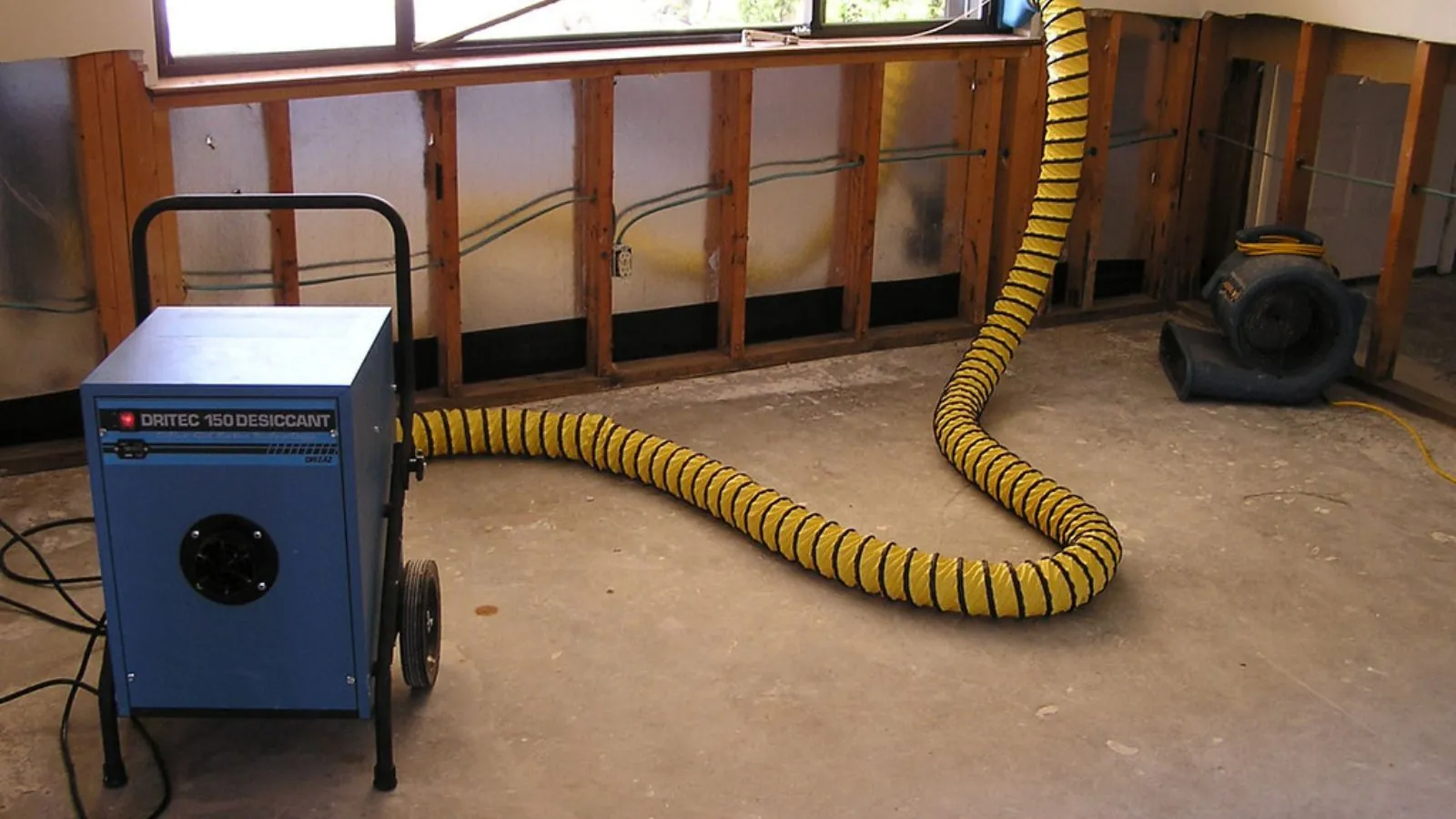
Wall and drywall water damage repair in Rockville Centre starts with the cause. Drywall damaged by a leak, a roof drip or a plumbing break swells, softens and stains. Left wet, it grows mold.
Call our 24/7 line if a wall is wet, bubbling or leaning out. We measure the moisture, remove what has failed and dry the cavity before anyone closes it up.
Signs of wet drywall
Brown or yellow stains, bubbling paint, a soft spot when you press and seams that open are the common signs. A musty smell at the base of a wall also points to water inside.
Drywall wicks upward from the floor and spreads sideways from a leak. The stain on the surface is smaller than the wet area inside.
Dry it or cut it out
Drywall can sometimes be dried in place if the water was clean and the response was fast. Once it has softened, crumbled or grown mold, it is cut out and replaced.
| Condition | Typical action |
|---|---|
| Damp, no softness | Dry in place with air movers. |
| Soft or bubbling | Cut out the affected section. |
| Water behind the wall | Open a flood cut and dry the cavity. |
| Visible mold | Follow New York rules before removal. |
| Insulation in the wall | Remove and replace if wet. |
Wall soft or bubbling? Call before it grows mold. Call (516) 845-9582
How we handle a wall
- Find the source and stop it.
- Map the moisture with a meter and thermal camera.
- Cut a flood cut, usually 2 feet above the water line, if the cavity is wet.
- Dry the framing and remaining board with air movers and a dehumidifier.
- Confirm readings, then hand off for patching, priming and paint.
Ceilings follow similar steps, covered in ceiling water damage repair. If a wall is wet from a leak in a bathroom or kitchen, burst pipe water damage explains what the plumber and the dry-out crew each do.
Walls in Rockville Centre homes
Older houses in the village often have plaster over lath, which is heavier and slower to dry. A stain on plaster may need a different repair than on drywall.
Wall repairs of any size need a contractor with a Nassau County Home Improvement License, and the building department at (516) 678-9247 can tell you whether a permit applies. Ask before you sign.
What affects the cost
| Factor | Effect |
|---|---|
| Wall material | Plaster costs more to repair than drywall. |
| Height of the wetting | Higher wicking means a larger cut. |
| Insulation | Wet insulation is replaced. |
| Area | More walls mean more drying. |
| Finish work | Patching, priming and paint are separate. |
Coverage depends on the cause of the water. Photograph the wall before anything is cut. Want your real number? Call (516) 845-9582.
Cut it or dry it
Drywall can sometimes be dried in place if the water was clean, the exposure was short and the board is firm. Soft, crumbly or stained board, or board that touched dirty water, is removed.
Insulation inside the wall is another factor. Wet batt insulation holds water against the studs and usually comes out. Closed-cell foam may be left.
A flood cut, which removes the lower portion of the board, exposes the cavity. After drying, new board is hung, taped and finished. Ask whether that rebuild is part of the scope or a separate trade.
Standards behind the work
The industry reference for this kind of work is ANSI/IICRC S500, the standard for professional water damage restoration. Whoever you hire, ask how it applies to your job and ask to see the moisture readings that show the structure is dry.
Questions about wall and drywall water damage in Rockville Centre
Not until the cause is fixed and the wall is dry. Paint over wet drywall traps moisture and the stain returns.
Often about two feet above the visible water line, based on readings. We cut only as far as the moisture goes.
Only if it is lightly damp and the air is dry. Wet or soft drywall should be dried by equipment or removed.
No. We dry and prepare the wall. A contractor handles patching, priming and paint.
Yes. A meter and thermal camera can find it without tearing the wall open.
Sometimes, if the water was clean and the board stayed firm. A meter and an inspection decide.