
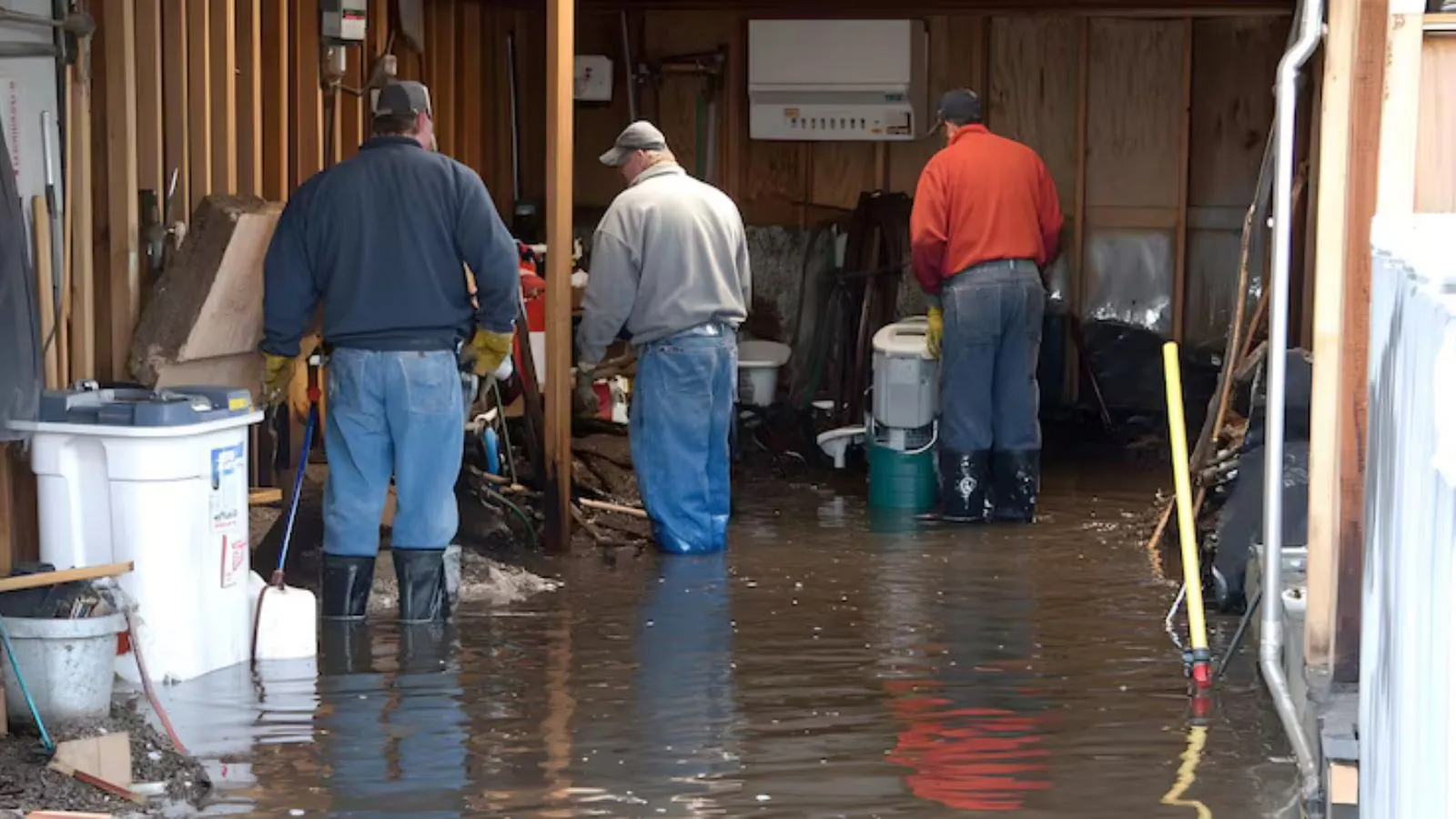
Emergency water extraction in Rockville Centre starts with one goal: get the water out of the building before it soaks into subfloors, wall bottoms and insulation. Our line is open 24/7, including nights and weekends, and a live person tells you what to do right now.
While you wait, stop the source if you can, shut off the main water valve for a plumbing leak, and keep everyone out of the wet area. Turn off power to the wet rooms only if you can reach the panel without stepping in water.
When standing water is an emergency
Any water deeper than a puddle that is still on the floor after an hour is an emergency. Water moves sideways and down. It wicks up drywall, slips under baseboards and drops through floor cavities into the room below.
Water that came from a clean supply line, called Category 1 in the S500 standard, becomes more contaminated the longer it sits. After about 48 hours, a clean-water loss can need the same careful handling as a dirtier one. That clock is why we ask you to call before you start mopping.
Stay out of the water if: it touches a wall outlet, an extension cord or a panel, if it smells like sewage, or if it came from outside the house. Call 911 or the utility for any electrical or gas risk before you call us.
How extraction works
Crews use submersible pumps for deep water, then wand extractors that pull water out of carpet, pad and hard floors. Portable units go up stairs and through narrow doors, which matters in older Rockville Centre houses with tight basement stairs.
We then check what the water reached. A moisture meter reads the wetness inside drywall and framing, and a thermal camera shows cool, wet areas behind finished surfaces. The readings decide what can stay and what has to come out.
Extraction is the first step, not the last one. Once the bulk water is gone, air movers and dehumidifiers pull out the moisture that surface vacuuming cannot reach, which is the work described under structural drying and dehumidification.
Water is still on the floor right now? A person answers this line around the clock. Call (516) 845-9582
What to do before the crew arrives
- Shut off the water at the main valve if a pipe or fixture is leaking.
- Move small furniture, rugs and electronics to dry ground, only if the lift is safe.
- Take photos and short videos of the water and the damage before anything is moved.
- Open interior doors so air can circulate, and keep pets and children out.
- Do not run a household vacuum on water and do not use heat to dry the area.
Water in a Rockville Centre home
Rockville Centre runs its own water department from deep wells, so a burst main or a failed fixture inside the house is usually a plumbing problem rather than an outside flood. The village water department can be reached at (516) 678-9301 if you suspect trouble with the service line to the street.
Many older homes in the village, including the Tudor and Colonial houses of the Strathmore section, may have plaster walls. Plaster holds water longer than modern drywall, so a quick extraction call matters more in those houses.
If the water came in from rain or a storm rather than a pipe, our flood damage cleanup page covers the extra steps for outside water.
What affects the cost of extraction
| Factor | Why it changes the price |
|---|---|
| Water category | Clean supply water is simpler than gray or black water, which need protective gear and disposal steps. |
| Depth and area | More water and more rooms mean more pumping time and more equipment. |
| Flooring and materials | Carpet pad, hardwood and plaster each need different handling after the water is gone. |
| Drying days | Extraction ends quickly, while drying equipment can run for several days. |
| Rebuild scope | Removing wet drywall or flooring adds work that extraction alone does not cover. |
Most homeowner policies in New York cover sudden water from a burst pipe or appliance, but flood from outside water is excluded and needs separate flood coverage. Check your policy, and photograph the loss before cleanup. Want your real number? Call (516) 845-9582 and we will explain the scope before work starts.
Questions about water extraction in Rockville Centre
Yes. The emergency line is answered 24/7, including nights, weekends and holidays. A crew response the same day is the goal when one is available, and the person on the phone tells you how to limit damage until they arrive.
As fast as you can safely manage. Water soaks into drywall and subfloors within hours, and mold can begin to grow in damp materials within a day or two. Call as soon as you see standing water.
A shop vacuum rated for wet use can help with a small spill, but it will not reach water inside walls or under flooring. Never use a household vacuum on water, and never plug anything in while standing in it.
Yes. Basements are common calls on the South Shore after heavy rain or a plumbing failure. If the water is deep, we also check for sewage or oil, which changes the safe way to remove it.
The crew measures moisture in the walls and floors, sets drying equipment and returns to check readings. You get a clear explanation of what stays, what goes and why, before demolition begins.