
Selling a home that has had water damage is common on Long Island, where basements, older plumbing and coastal storms all play a part. The goal is to repair the damage properly, keep the records and disclose honestly.
This guide explains the New York disclosure rules as they stand now, what buyers tend to ask and how a documented repair protects you.
What New York asks sellers to disclose
Since March 20, 2024, New York sellers of one to four family homes must complete the Property Condition Disclosure Statement. The old option to pay a $500 credit at closing instead of filling it out was eliminated.
The statement asks about floodplain status, water penetration or seepage damage and flood insurance claims. Disclosure of known indoor mold was added as of June 14, 2023.
Sellers are liable only for willful failure to disclose. That makes honest answers, backed by repair records, the safest path.
Repair first, then document
- Keep the date and cause of each water event.
- Keep invoices for drying, repair and any mold work.
- Keep moisture readings that show the structure dried.
- Keep permits and inspection sign-offs.
- Keep photos taken before and after.
A buyer who sees a clear record is far less likely to walk away. Records of professional structural drying help show that the problem was solved, not covered over.
Selling and worried about moisture? Call and we will assess it. Call (516) 845-9582
What buyers and inspectors look for
| Sign | What they think |
|---|---|
| Fresh paint on one ceiling patch | A past leak that may have been covered. |
| Musty smell in a basement | Ongoing moisture. |
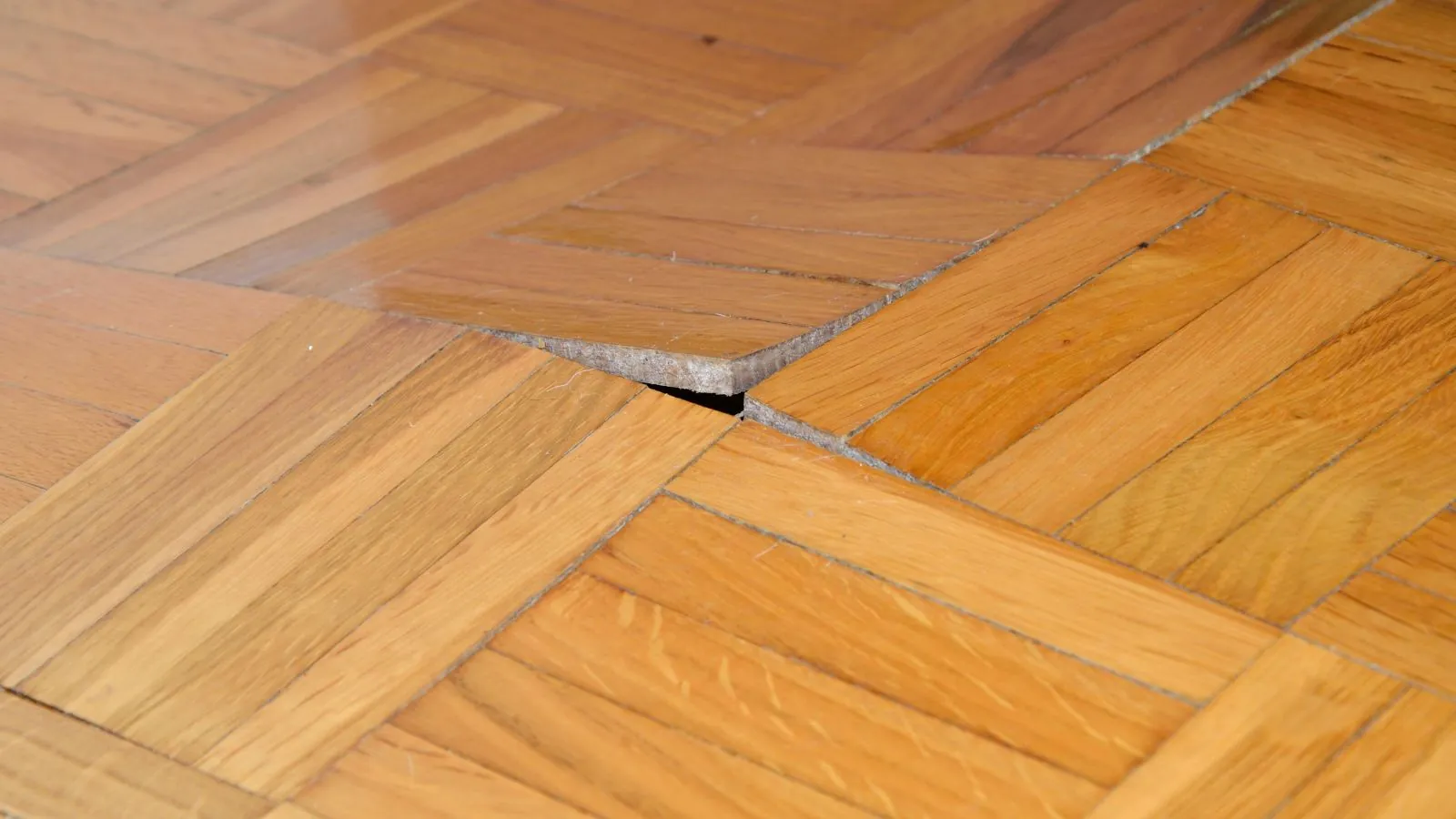
| Stained or buckled flooring | Water that was not dried in time. |
| New drywall with no paperwork | Unknown scope of the earlier loss. |
| Dehumidifier running in a finished basement | A damp space. |
Do not cover these signs. Fix the cause, then explain what happened and what was done.
If the problem is still active
An open leak, a wet wall or visible mold needs attention before listing. A buyer's inspector will find moisture with a meter, and a surprise during contract negotiation costs more than a repair done early.
If your basement has taken in water, see basement water damage cleanup for what proper drying involves.
How a documented repair changes the conversation
A buyer who finds an old stain with no explanation will assume the worst. A buyer who sees a file with the cause, the drying records and the repair invoices will usually move on to other questions.
The file does not need to be fancy. A folder with dated photos, the moisture readings that showed the structure was dry, the scope of work and the paid invoices is enough. Add permits and inspection sign-offs if they exist.
Share the file with your attorney and agent early. They can decide how to answer the disclosure questions and what to hand to a buyer's attorney.
Things sellers often get wrong
- Painting over a stain without fixing the cause.
- Skipping the disclosure answer because the leak was minor.
- Letting a dehumidifier run in a basement for the showing.
- Throwing away invoices after a repair.
- Assuming insurance paperwork replaces repair records.
Each of these either hides the problem or leaves you with no proof that it was solved. A buyer's inspector uses a moisture meter and often finds the repair anyway.
If your house has ceiling stains from an old leak, ceiling water damage repair describes how we check whether the area is dry before it is patched.
Working with your attorney and agent
Your attorney decides how to answer legal questions on the disclosure statement. Your agent explains how buyers react to what you disclose. A restoration company supplies the technical records both of them need.
Bring the file to the first meeting. Include the dates of each water event, the cause, what was done and who did it. If you are not sure of a date, say so, because estimates are better than guesses presented as facts.
Ask your attorney how to handle damage that was repaired before you owned the home. The statement asks what you know, and your records and what you were told at purchase are part of that.
This is general information, and every sale is different. Your attorney should guide the actual answers you give.
Pricing and timing
Documented, completed repairs rarely hurt a price much. Unresolved moisture problems hurt a lot, because buyers imagine the worst. Doing repairs before listing often gets a house to market with fewer surprises.
If you cannot repair before listing, say what you know, get a written scope and be ready to talk about a credit. Your attorney and agent can advise on the structure of that.
Showing a repaired home with confidence
Buyers respond to clear answers. Have a short, factual summary ready: what happened, when, how it was fixed and who did the work. Offer the file for review rather than leaving the story to the imagination.
Keep the repaired area clean and well ventilated for showings, and do not hide the evidence of repair. A fresh, dry space with documentation is more persuasive than a freshly painted one with silence.
Standards behind the work
The industry reference for this kind of work is ANSI/IICRC S500, the standard for professional water damage restoration. Whoever you hire, ask how it applies to your job and ask to see the moisture readings that show the structure is dry.
What this means in Rockville Centre
The Census Bureau reports a median owner-occupied home value of $796,100 in Rockville Centre, and 74.5% of homes are owner-occupied. At those values, a documented repair is a small cost next to a collapsed sale.
Check floodplain status for your address, since the disclosure statement asks about it. After the September 29, 2023 storm, the National Weather Service recorded 6.34 inches in Hewlett and 7.90 inches in East Rockaway, so buyers in nearby East Rockaway and Hewlett often ask about flood history.
Rockville Centre's building department at (516) 678-9247 can tell you whether past work was permitted. This is general information and not legal advice, so talk to your attorney about your own disclosure.
Local questions about selling after water damage
The statement asks about water seepage, flooding and flood insurance claims. Answer it honestly, and talk to your attorney.
No. That option was eliminated effective March 20, 2024.
Yes. Known indoor mold was added to the statement effective June 14, 2023.
Sellers are liable only for willful failure to disclose, and good records show you were open.
Usually. An open problem found by an inspector tends to cost more in negotiation.
It can help. A reading that shows the area is dry is useful evidence to share with buyers.