
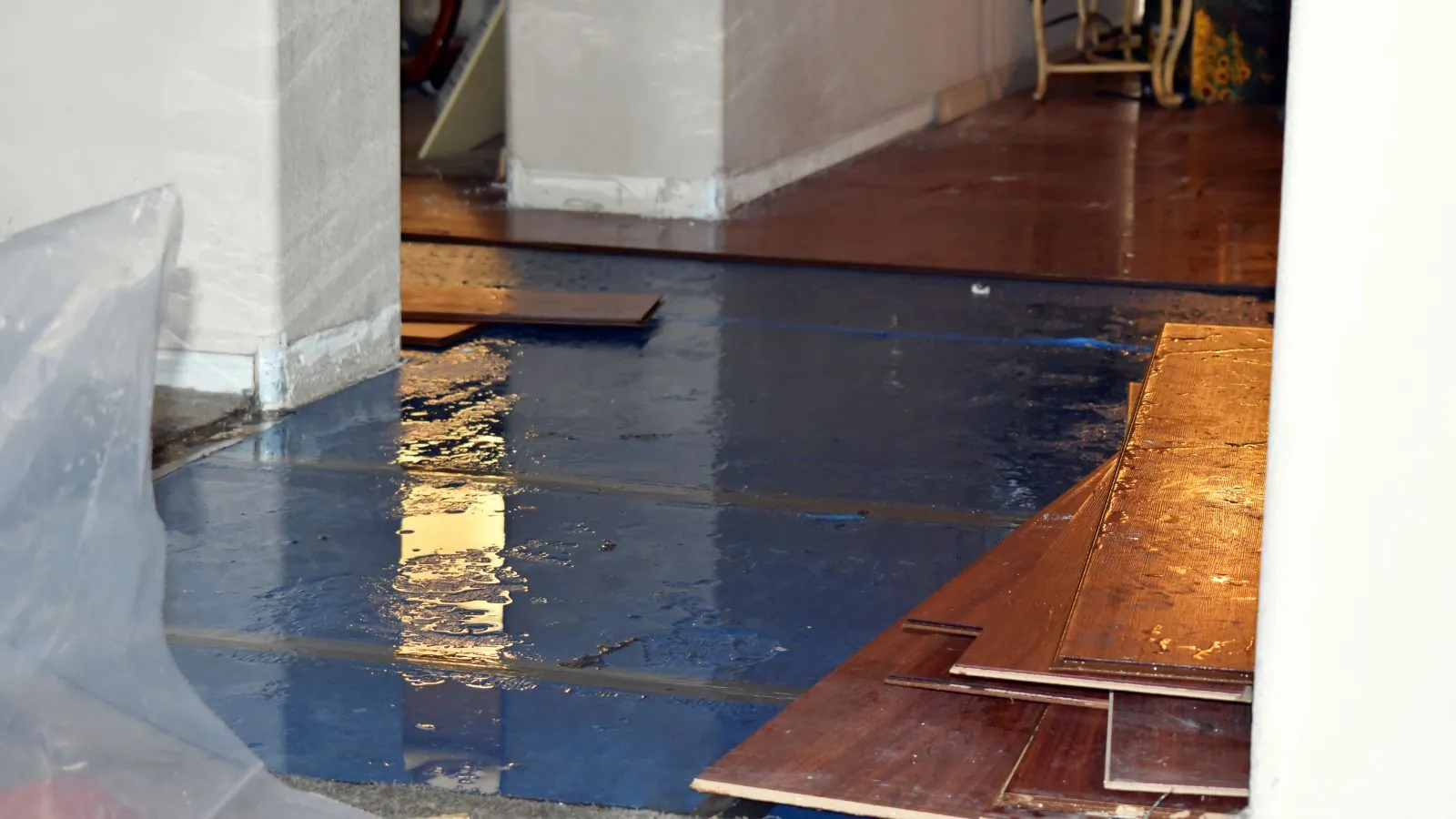
A sudden jump in a water bill is one of the most common signs of a hidden leak. Toilets, supply lines, irrigation and underground pipes can all lose water without leaving a puddle.
Before you call anyone, a simple meter check tells you whether water is leaving the house when nothing is running.
Do the meter test
- Turn off every faucet and appliance that uses water.
- Find the water meter and look at the leak indicator or small dial.
- If it moves with nothing running, water is leaking.
- Write down the reading, wait an hour with no use, and read it again.
- A changed reading confirms a leak somewhere past the meter.
If the dial is still, the jump may come from a leak that only runs when something is in use, such as a toilet that refills or a sprinkler zone.
Common hidden sources
| Source | Clue |
|---|---|
| Running toilet | Hissing, or dye in the tank leaks into the bowl. |
| Slab or buried line | Warm spots on floors, or the sound of running water. |
| Water heater | Damp area, rust or a pooled base. |
| Irrigation | Wet lawn patches or a high spring bill. |
| Wall supply line | Staining, peeling paint or musty smells. |
A leak under the floor slab is hard to see and costly if ignored. Our slab leak water damage page explains how it is found and what it does to flooring.
Found a leak and water got into the house? Call and we will dry it. Call (516) 845-9582
What to do next
If you find a running toilet, repair or replace the fill valve or flapper. For anything inside a wall or under a slab, shut off the water at the main valve and call a licensed plumber.
If water has already soaked a wall or floor, drying should start quickly. Water extraction and drying prevent the damp from becoming mold.
Check the bill itself
Compare this bill with the same months last year. Check whether the reading was estimated, and whether the billing period was longer than usual.
Seasonal use also changes bills. A pool fill, a lawn watering schedule or guests staying for weeks can all explain a rise without any leak.
Reading the bill itself
Look at the usage figure and the billing period, not just the total. A bill that covers more days than usual will show more use. Also see whether the reading was actual or estimated, since an estimate followed by a true-up can look like a spike.
Compare the same period last year. Seasonal use such as lawn watering, a pool fill or houseguests explains many increases. If usage doubled and nothing in your routine changed, a leak is a strong suspect.
Write down the meter reading at the start and end of a day when nobody is home. A steady rise tells you water is leaving the system.
Where hidden leaks tend to hide
Toilets lead the list. A worn flapper lets water slip into the bowl, and the fill valve tops the tank up again and again. Add a few drops of food coloring to the tank, wait fifteen minutes and see if color reaches the bowl.
Outdoor spigots, irrigation lines and the service line between the street and the house are next. A wet patch in the yard that stays after dry weather can point to the line. Inside, the water heater, washing machine hoses and the supply under sinks are common.
If you find a leak that has already soaked a floor or wall, appliance leak water damage covers drying after a hose or appliance failure.
How much can a hidden leak waste
The numbers add up fast. A toilet that runs constantly can waste hundreds of gallons a day, and a pinhole leak under pressure can waste a lot more. Even a slow drip adds up over a month.
Beyond the bill, the real risk is damage. Water that escapes into a wall or under a slab softens drywall, lifts flooring and feeds mold. The longer it runs, the more of the house is affected.
That is why a high bill is worth a short investigation. A meter check takes fifteen minutes, and it can save a floor.
If you cannot find the leak yourself, a plumber can use listening devices and pressure tests to locate it without tearing things apart.
After the leak is fixed
Dry anything that got wet. Check the area again in a week for new stains, odors or warm spots. Keep the plumber's invoice, since the village water department or your insurer may want proof of the repair.
Take a fresh meter reading and compare your next bill to the usual level. If it is still high, there may be a second leak.
When the leak is outside the house
A leak in the service line between the street and your home can be hard to spot. Signs include a wet or unusually green patch of lawn, a soft spot near the foundation, the sound of water when everything is off and a meter that moves with the house shut down.
The owner is generally responsible for the line on their side of the connection, so confirm where the responsibility begins by calling the water supplier. A plumber can then locate and repair the leak.
Standards behind the work
The industry reference for this kind of work is ANSI/IICRC S500, the standard for professional water damage restoration. Whoever you hire, ask how it applies to your job and ask to see the moisture readings that show the structure is dry.
What this means in Rockville Centre
Rockville Centre runs its own water system. The village water department draws from 10 wells about 540 feet deep in the Magothy aquifer and maintains over 70 miles of mains. Call (516) 678-9301 with questions about your meter or your bill.
Many neighbors outside the village, in Oceanside for example, are served by New York American Water, so the right office depends on your address. In Malverne the village has its own rules for plumbing work, so ask about permits before a repair.
Because the village is one of six municipal sewer districts that pump to county plants, a leak on the supply side does not change your sewer connection, but a backup does need a plumber and a cleanup crew.
Local questions about water bills
Turn off everything that uses water and watch the meter. If it moves, water is escaping.
The village water department at (516) 678-9301 handles meter and billing questions.
Yes. A silent leak from a flapper can waste a large amount over a month.
It is possible in older homes. A warm floor spot or the sound of water points to it.
Policies vary, so ask the water department.
Quickly. A running leak keeps costing money and can damage floors and walls.