
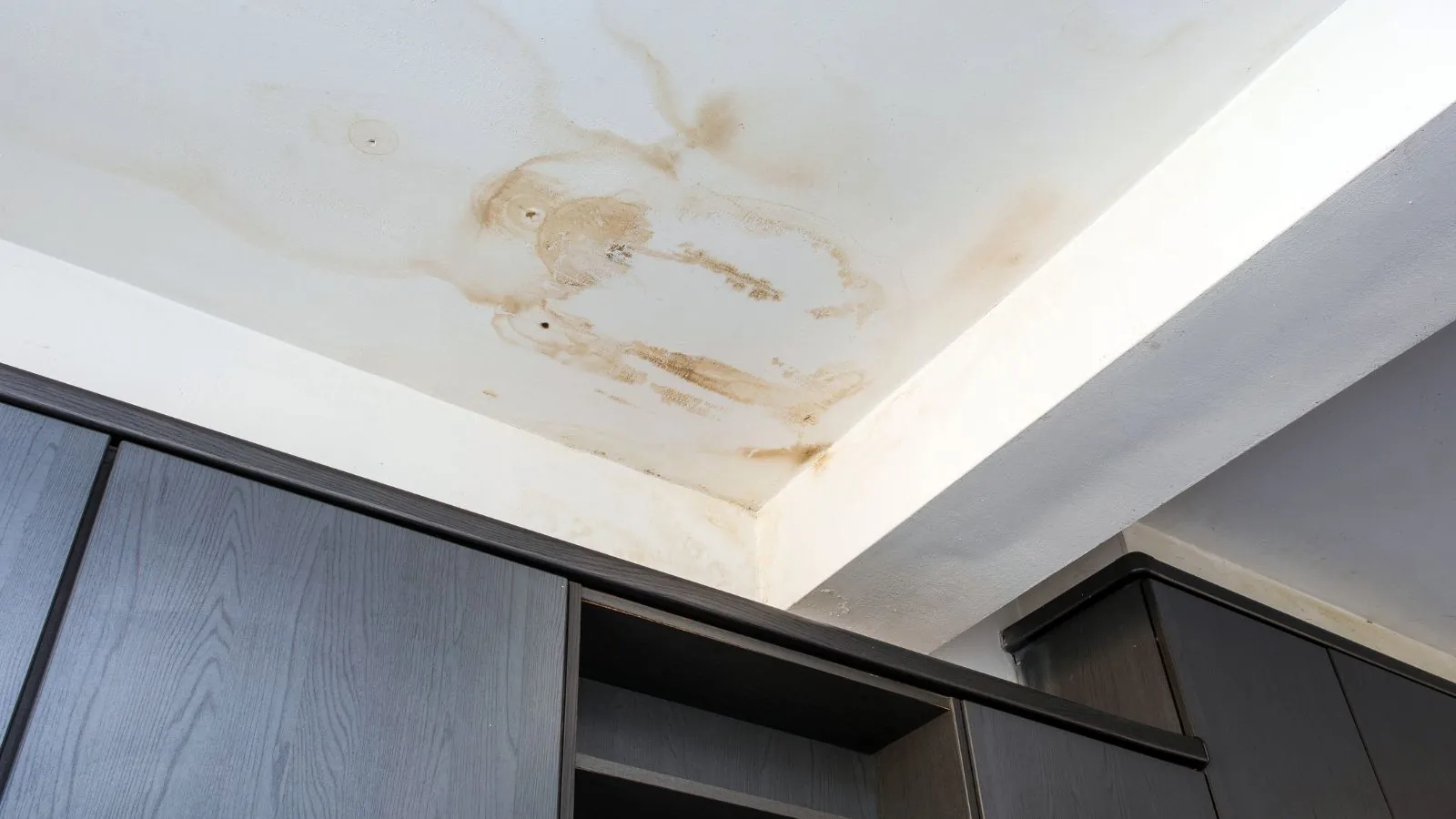
Water damage in a rental is stressful for both sides. The tenant wants a safe home and the landlord wants to protect the building. Acting fast and keeping written records helps both.
This guide covers the first steps, how responsibility is usually divided and what to document. It is general information and not legal advice.
First steps for a tenant
- Stop the source if you safely can, for example by closing a fixture valve.
- Move belongings out of the wet area.
- Photograph and video the damage.
- Notify the landlord or manager in writing the same day.
- Keep a copy of every message.
If there is any risk of electrical hazard, stay out of the area and call the landlord or an emergency line.
First steps for a landlord
Stop the source, call a plumber if a pipe failed and start drying right away. Delay turns a small repair into a larger one because wet drywall and carpet pad can grow mold within days.
Document the cause and the scope before anything is removed. Photos and moisture readings help later with insurance and with any dispute over responsibility.
Water in your unit or building? Call and we will respond. Call (516) 845-9582
Who is usually responsible
| Situation | Typically |
|---|---|
| Pipe or roof failure | The landlord repairs the building. |
| Tenant left a tub running | The tenant may be responsible. |
| Tenant belongings damaged | Renter's insurance, if the tenant has it. |
| Building damage | The landlord's property insurance. |
| Storm flooding | Depends on coverage, and standard policies often exclude flood. |
Responsibility depends on the lease, the cause and the law. Rent abatement or a temporary move may be part of the discussion. For an exact answer, speak with an attorney.
Why drying cannot wait
Water that is not removed spreads into walls and floors. Quick work from a water heater leak cleanup crew or a similar team limits what has to be removed and lowers the cost for whoever pays.
Multi-unit buildings add another risk, since water moves between floors. A leak in one unit can damage the ceiling of the one below.
A paper trail that protects both sides
Tenants and landlords both benefit from clear records. Dated photos, written notice and a log of calls show that the problem was reported and handled. Text messages and emails count if they are kept.
Landlords should keep invoices from the plumber, the drying company and any rebuild contractor. Tenants should keep receipts for emergency expenses such as a hotel or laundering, along with a list of damaged belongings.
If an insurance claim is filed, each party's insurer will ask for these records. A clean file speeds up the process.
Common situations in apartments and rented houses
| Situation | First step |
|---|---|
| Leak from the unit above | Notify the landlord and the neighbor, photograph the ceiling. |
| Water heater leaking in a basement unit | Shut off supply if safe, notify the landlord. |
| Storm water through a window | Move belongings, notify the landlord, photograph. |
| Sewer backup | Stay out of the area, notify the landlord and call for help. |
In each case, written notice comes first, and cleanup should start quickly. A landlord who delays raises their own cost, because wet materials spread damage.
For a flooded lower-level unit, flood damage restoration explains how extraction and drying are staged. This article gives general information and is not legal advice.
Insurance for tenants and landlords
A landlord's property insurance generally covers the building, such as walls, floors and fixtures. It does not cover a tenant's belongings. A tenant needs renter's insurance to protect clothing, furniture and electronics.
Renter's policies often also pay for temporary housing if the unit is not livable, subject to the terms. Check yours for additional living expense coverage.
Flood is typically excluded from both types of policy. A separate flood policy is needed for that risk, and the National Flood Insurance Program is one place where such coverage is available.
Read the lease for clauses about notice, access and who handles repairs. If you are a tenant and you have no renter's insurance, consider getting it before the next loss.
When the damage is serious
If the unit is unsafe, leave and tell the landlord in writing. Discuss how long repairs will take, whether rent will be adjusted and where you can stay.
Landlords should also think about neighbors. Water that moves through floors can reach other units, so check below and beside the affected one.
Communicating calmly and clearly
These situations get tense, but clear and polite communication helps everyone. Tenants should state what happened, when they noticed it and what they have done so far. Landlords should state when help is coming and what the plan is.
Put dates in every message. Avoid blaming language, and stick to facts. If you need to discuss rent, repairs or relocation, ask for a time to talk and confirm the agreement in writing afterward.
If you think your health or safety is at risk, leave the area and seek advice. Your safety matters more than any dispute.
Prevention for rentals
Both sides can lower the odds of a loss. Landlords can inspect supply lines, water heaters and roofs on a schedule. Tenants can report drips and stains early, avoid leaving tubs or washers unattended and know where the shutoff valve is.
A small report today is cheaper than a ceiling that collapses next month.
What this means in Rockville Centre
About one quarter of Rockville Centre households rent. Census figures put owner occupancy at 74.5%, which leaves roughly 25.5% as renter households, many in apartments near the LIRR station and Sunrise Highway.
New York landlords must disclose floodplain status and prior flooding to tenants as of June 21, 2023. If your building has flooded before, ask what was disclosed. For repairs that need permits, the village building department at (516) 678-9247 can help.
We also respond to rentals in Oceanside and Hewlett, and to ceiling leaks from upstairs units, which our ceiling water damage repair page explains.
Local questions about rental water damage
It depends on the cause, the lease and the insurance. Landlords generally repair the building and renter's insurance covers belongings.
Yes. A dated message or letter creates a record.
As of June 21, 2023, landlords must disclose floodplain status and prior flooding.
In an emergency a tenant can call, but the landlord should be told at once, since the building is theirs.
Leave the area and speak with an attorney or housing office about options.
Landlords usually need to give notice, but emergencies are treated differently. Check your lease and talk to an attorney if you disagree.