
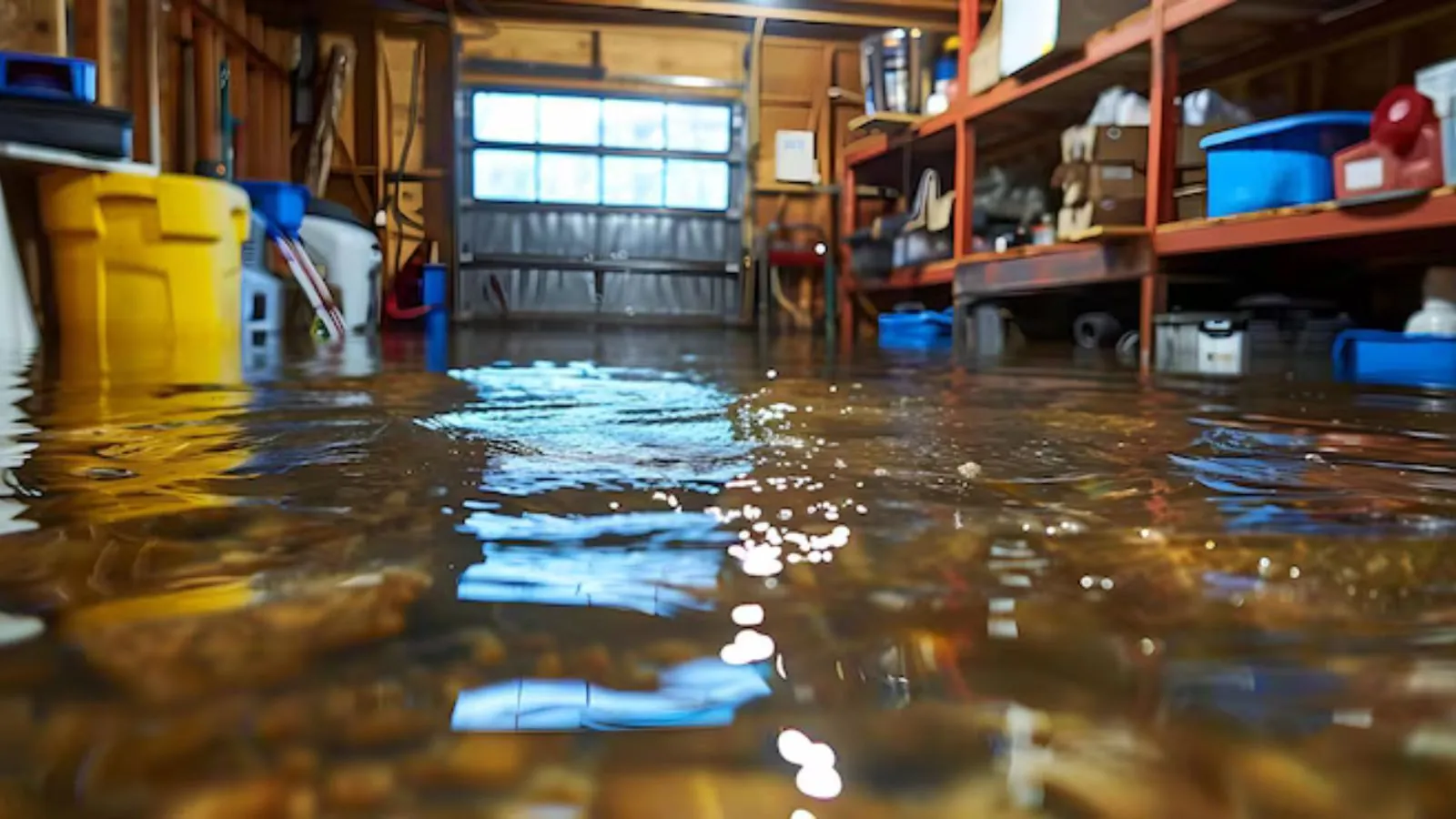
Filing a water damage insurance claim is mostly a records exercise. The insurer wants to know what happened, when it happened and what you did about it. The more you can show, the fewer questions come back.
We cannot file or negotiate a claim for you, and we are not a public adjuster. What we can do is describe the steps homeowners commonly take and what our drying crews can document.
Step one: stop the damage
Shut off the water at the source and the main valve. Most policies require you to take reasonable steps to prevent further damage, and an owner who leaves water running can lose coverage for the extra loss.
Move belongings to dry areas if it is safe, and keep the damaged ones. Do not throw anything out until your insurer has seen or approved it.
Step two: document before cleanup
The New York State Department of Financial Services advises photographing damage before cleanup. Take wide shots of each room and close shots of the water line, wet floors, stained ceilings and damaged items.
- Record a short video walking through each affected room.
- Photograph serial numbers on damaged appliances and electronics.
- Note the date and time you found the water.
- Keep the broken part, such as a burst hose.
- Write down who you called and when.
Water damage today? Document it, then call us to start drying. Call (516) 845-9582
Step three: call your insurer and mitigate
Call the claims number on your policy and ask what is required. Ask whether emergency drying needs prior approval and whether the insurer has preferred vendors, and keep the answers in writing.
Then start drying. Waiting for an adjuster for days can let materials rot, and the cost of added damage can be disputed. Structural drying records daily moisture readings, which show what was done and when.
Step four: keep a paper trail
| Keep this | Why it helps |
|---|---|
| Photos and video | They show the condition before cleanup. |
| Drying logs and readings | They show the work done and the progress. |
| Receipts | They support reimbursement for emergency repairs. |
| Plumber or roofer invoice | It shows the cause and the repair. |
| Emails and call notes | They record what the insurer said. |
Ask for estimates in writing before approving large repairs. Compare the insurer's scope to the contractor's scope, and ask about any difference.
Documenting the loss so the claim holds up
A claim is easier to settle when the adjuster can see what you saw. Photograph the source, the water line on the walls, the floors, the ceiling and the contents before anything is moved. Video that walks room to room, with narration, adds context that photos miss.
Keep a written log of dates and times. Note when you found the water, when you called the insurer, when the drying crew arrived and when equipment was removed. Dates matter because insurers often ask when the damage began.
Save the damaged materials if you can, or at least photograph them next to a ruler or a familiar object for scale. Carpet pad, a section of wet drywall and a failed supply line all help show the cause.
Working with the adjuster
The adjuster inspects the damage and estimates the repair. Their scope may differ from a contractor's scope, and that gap is normal. Ask for the adjuster's estimate in writing and compare it line by line with the drying and repair plan you received.
If the estimates differ, explain why with readings and photos. For example, a moisture meter reading in a wall the adjuster did not open is stronger evidence than an opinion.
Do not sign anything you do not understand, and do not feel pushed to accept the first offer. If a dispute drags on, a public adjuster or an attorney can advise you, but those choices are yours to make. Our flood damage restoration page explains why flood losses follow a separate path.
After the claim is approved
Once the insurer approves the claim, you will receive a payment or an arrangement with a contractor. Read the terms carefully. Payments may be split into stages, and the final one often comes after repairs are done and documented.
Keep invoices and photos of the finished work. If you find more damage later, report it quickly. Insurers sometimes allow a supplement, but they expect to hear soon after the discovery.
Keep copies of every letter, email and payment. The file may matter for years, especially if the house is sold.
Time limits and deadlines
Policies set time limits for reporting a loss and for submitting proof of it. Read the section of your policy on duties after a loss, and calendar every date the insurer gives you.
If you miss a deadline because repairs are still underway, tell the insurer in writing and ask for an extension. A written record of that request can matter later.
Safety steps before you document the damage
- Stay out of rooms where water is near outlets, cords or the electrical panel.
- Shut off the water at the main valve if a pipe or fixture is the source.
- Do not walk on a sagging ceiling or a bowed floor.
- Keep children and pets away from standing water.
- Take photos before moving anything, then call.
Standards behind the work
The industry reference for this kind of work is ANSI/IICRC S500, the standard for professional water damage restoration. Whoever you hire, ask how it applies to your job and ask to see the moisture readings that show the structure is dry.
What this means in Rockville Centre
Nassau County homeowners can get help with contractor disputes from the Nassau County Office of Consumer Affairs at 240 Old Country Road in Mineola, phone (516) 571-2600. Contractors doing home improvement work in the county need a license from that office.
Repairs inside the village may need a permit from the Rockville Centre building department at 110 Maple Avenue, (516) 678-9247. The village requires a permit for any addition, alteration or repair to a residential property, so ask your contractor whether yours applies.
After a big storm like the one on September 29, 2023, claims pile up, and adjusters take longer to arrive. Fast documentation and drying matter more then. Our crews serve Malverne and Hewlett as well, and for a flooded lower level see basement water damage cleanup.
Local questions about claims
As soon as you can. Many policies require prompt notice, and delays can complicate a claim.
Yes, and you usually should. Document first, keep the damaged parts and tell the insurer what you are doing.
We provide documentation such as readings and photos. You remain the insurer's contact, and we do not negotiate your claim.
The Nassau County Office of Consumer Affairs, at (516) 571-2600, handles home improvement contractor complaints and licensing.
The village requires a permit for any addition, alteration or repair to residential property. Call the building department to confirm what applies.
Usually yes, and most policies expect you to limit the loss. Document everything first and keep the damaged items.